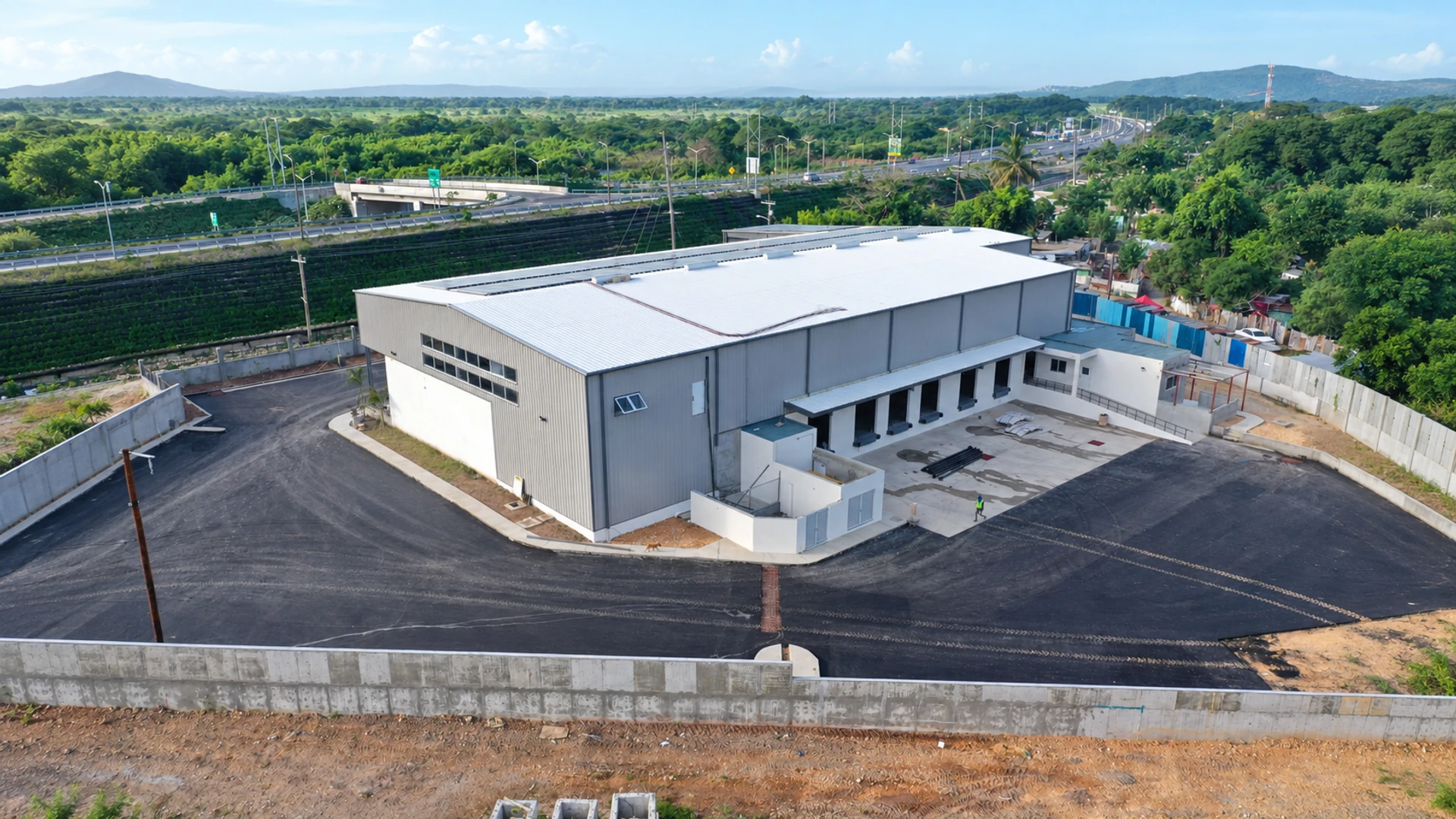
The wall and roof panels on your steel building will be the second-largest cost line after the steel frame itself — and the place where supplier quotes vary the most. We’ve seen quotes for the same warehouse arrive from three suppliers with the panel line item differing by more than 40%, and the buyer assumed the cheapest one was the deal. It almost never is.
This is a working buyer’s guide to spec’ing panels for steel buildings in hot, humid climates — Brazil, Colombia, Ecuador, the Caribbean coast, coastal Africa, Southeast Asia. The mistakes are repeatable. The fixes are simple, but only if you ask the right questions before you sign.
The four panel families you’ll actually be quoted
Forget the catalog jargon. In practice, every quote you receive from a Chinese or regional supplier will use one of these four:
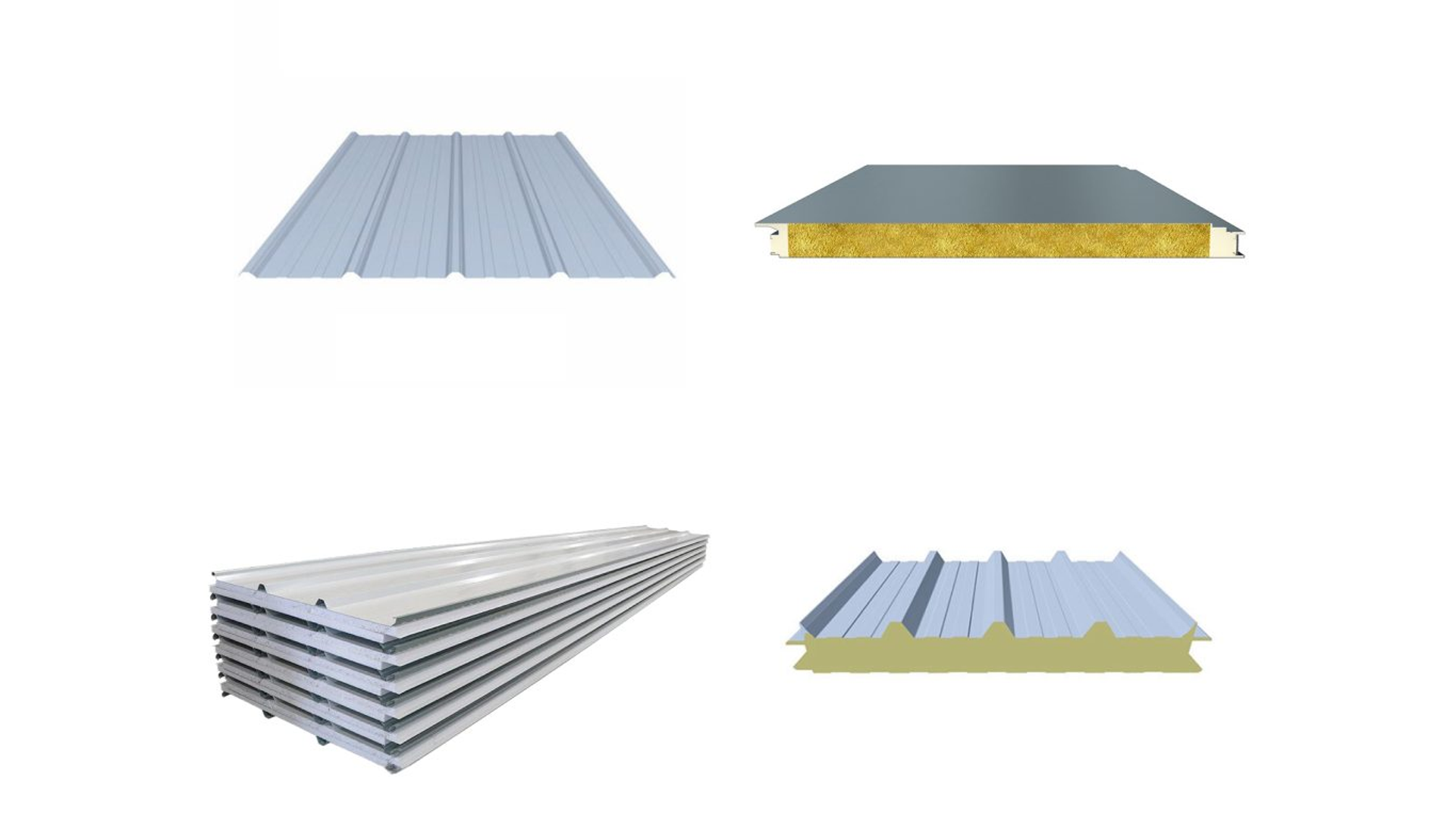
- Single-skin profiled steel sheet. Just a corrugated or trapezoidal steel sheet, usually pre-painted galvanized or Galvalume. No insulation, no inner liner. Cheapest by far. Used on agricultural buildings, basic warehouses where temperature doesn’t matter.
- PU (polyurethane) sandwich panel. Two steel sheets bonded to a polyurethane foam core. Good thermal performance, lightweight, fast to install. The default choice for most industrial buildings in Latin America. Fire rating is moderate.
- PIR (polyisocyanurate) sandwich panel. Similar construction to PU but with a PIR foam core. Better fire performance than PU. Slightly more expensive. Common in cold storage and where fire codes are strict.
- Rockwool sandwich panel. Steel sheets bonded to a mineral wool (rockwool) core. Best fire rating, best acoustic insulation. Heavier and more expensive. Used where fire performance is non-negotiable — paint shops, battery plants, certain food facilities.
These are not interchangeable. A supplier who quotes “50mm sandwich panel” without specifying which core is either being lazy or hoping you don’t ask. Always force the spec.
What changes in hot, humid climates
Most panel manufacturers design their default products for temperate Europe or the United States. When you put those panels on a building in Barranquilla, Manaus, or Guayaquil, three things start to matter that didn’t matter before.
1. Coating thickness matters more than you think
The steel skin of a sandwich panel is typically 0.4 to 0.6mm thick, with a paint coating on the exterior. In dry climates you can get away with a standard polyester coating. In hot humid coastal climates, salt-laden air will eat through that coating in under five years.
Ask the supplier for the coating system, not just the color. The right answer for tropical coastal projects is PVDF (Kynar 500) or at minimum HDP (high-durability polyester). Standard polyester is a 10-year coating in Europe and a 4-year coating on the Colombian coast.
2. Panel edges absorb moisture if not sealed
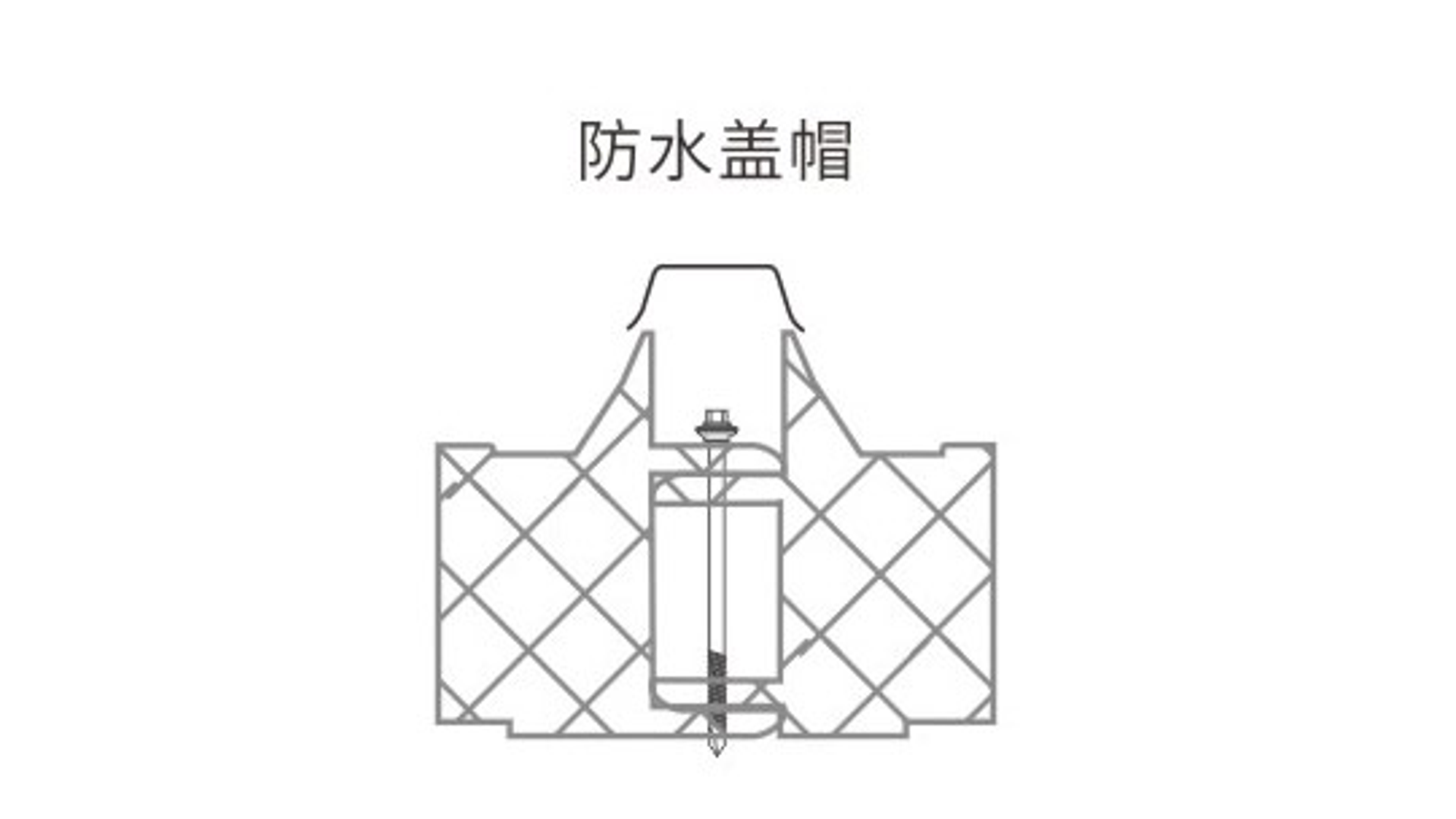
This is the most common defect we see on imported sandwich panels six months after installation: the foam core swells at the cut edges where moisture has gotten in. The panel still looks fine from a distance, but you can see the swelling at the joints. Eventually the panel delaminates and has to be replaced. We covered the manufacturing side of this in our piece on steel fabrication quality control — edge sealing is one of the production steps that gets quietly skipped when a supplier is competing on price.
The fix is simple and cheap if specified upfront: edge sealing. PU foam panels for tropical climates should have the cut edges sealed with a continuous bead of sealant during manufacturing. Rockwool panels for humid environments should have edge protection that prevents water ingress into the mineral core.
If the supplier doesn’t mention edge sealing in their quote, ask. If they say “it’s not necessary” — find a different supplier.
3. Thermal performance is not the same as marketing
A 50mm PU panel will have a U-value of roughly 0.45 W/m²K. A 50mm rockwool panel will have a U-value of roughly 0.75 W/m²K. PU is significantly better at thermal insulation per millimeter. So why would anyone choose rockwool?
Fire rating. PU has a B-class fire rating at best. Rockwool is A-class (non-combustible). For a warehouse storing cardboard or textiles, this difference is the difference between an insurable building and an uninsurable one. Quality & Fabrication are not optional in many jurisdictions — talk to your insurance broker before you finalize the panel spec, not after.
The five questions to lock down before any quote
Send these to every supplier you’re getting quotes from. Their answers will tell you more about the supplier than any sales presentation.
- What is the core material and density? PU at 40kg/m³, PIR at 42kg/m³, rockwool at 100-120kg/m³ are typical. Lower density means lower insulation and lower fire performance.
- What is the steel skin thickness and coating system? 0.5mm minimum for both faces. PVDF or HDP coating for coastal projects.
- Are the panel edges sealed? Yes/no. If yes, with what sealant.
- What is the certified U-value and fire rating? Ask for the certificate, not the brochure number.
- What is the warranty, and what does it cover? A 10-year warranty that excludes coastal environments is worthless on a coastal project.
Common mistakes that show up at site
Three patterns we see repeatedly on projects that didn’t lock the spec early:
Mismatch between wall and roof panels. The buyer specifies a quality wall panel and lets the supplier choose the roof panel. The roof, which takes the most thermal and UV load, ends up with the cheapest panel in the supplier’s catalog. Specify both, separately.
Fasteners don’t match the panel. A high-spec panel with low-grade self-drilling screws will fail at the fastener before the panel does. Stainless steel or coated fasteners with EPDM washers are standard in humid climates. Cheap zinc-plated screws will rust through within two years.
No flashing or trim details in the quote. The panels are only as good as the corners, ridges, and edges. A complete panel package includes ridge caps, eave trims, corner flashings, and base trims — all with the same coating system as the panels. If these are missing from the line items, they will either be missing from delivery or added later as a change order. We touched on this dynamic in our breakdown of PEB cost and lead times — what’s not in the line items is rarely what’s not in the project, just what gets billed separately.
The practical takeaway
If a quote on a 5,000m² warehouse comes back $30,000 cheaper than the others, the difference is almost certainly in the panel spec. It’s not magic, it’s not better factory pricing — it’s a thinner steel skin, a lower-density foam, no edge sealing, or a coating that won’t survive your climate. We walked through where these price gaps actually come from in steel warehouse cost per square foot, and panels are usually the single largest line where a “cheap” quote hides a downgrade.
The buyer’s job is to make the panel spec so explicit that all three suppliers are quoting the same product. Then the cheapest quote is genuinely the cheapest, and the most expensive quote has to justify why.
Spec first. Quote second. Never the other way around.
If you’re scoping a project and want a like-for-like quote on a panel system you can actually compare across suppliers, send us your project brief — we’ll come back with a spec sheet, not just a number.